Joints, Bones & Pain
Joint Genesis Review: Ingredients, Price, Refund and Who It Suits
Joint Genesis is a one-capsule joint supplement with five disclosed ingredients, sold for $49 to $79 a bottle with a 180-day refund…
Saw a supplement in an online ad? Before you order, we read its Supplement Facts panel, compare every dose with the human research, and read the refund policy line by line. No star ratings, no fake testimonials.
Our method
Health topics
Latest reviews
Joint Genesis is a one-capsule joint supplement with five disclosed ingredients, sold for $49 to $79 a bottle with a 180-day refund…
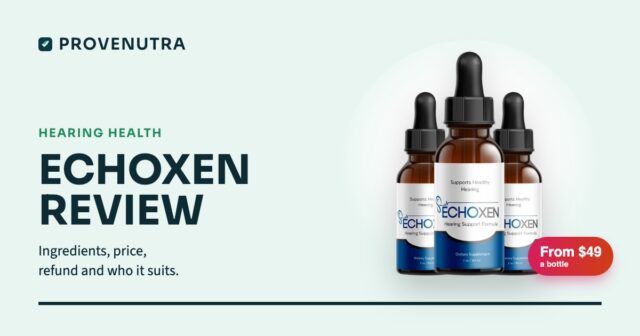
EchoXen is a swallowed liquid sold for hearing support at $49 to $79 a bottle, with a 60-day refund from receipt. Its…
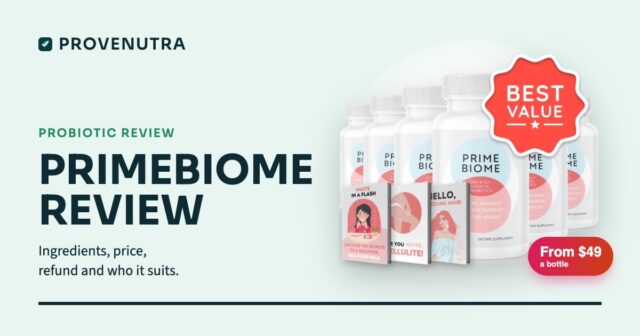
PrimeBiome is a probiotic gummy with nine plant ingredients, sold for $49 to $79 a bottle with a 60-day refund from delivery.…
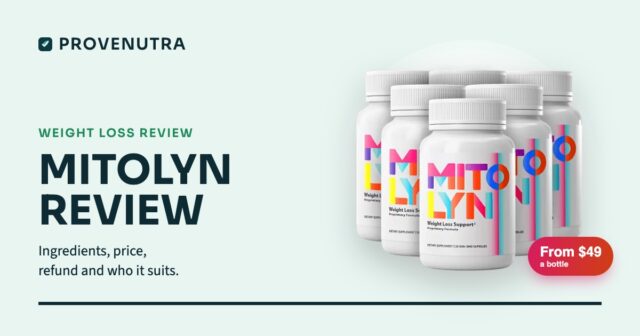
Mitolyn is a six-ingredient plant capsule sold for $49 to $79 a bottle with a 90-day refund. No trial has tested the…
Buyer checklist
Six checks that take ten minutes and can save you the price of a six-bottle bundle.
Many sales pages show a bottle but not the Supplement Facts panel. Find it before you pay. It lists each active ingredient, the amount per serving, and the other ingredients such as fillers, binders and flavorings.
Bundles of three or six bottles look cheaper next to a crossed-out price. Add shipping, divide by the number of bottles, then by the days each bottle lasts. Compare that daily cost with the single bottle.
Look for the words subscription, auto-ship or member price. The terms should say what you agree to, how long any trial lasts, and how and when to cancel. If you cannot find them, the FTC says do not sign up.
Read whether the refund window counts from the order date or the delivery date. ClickBank says most products sold through it have a sixty day refund period, and the refund button disappears once that period ends.
The FTC tells shoppers to check who pays return shipping, how many days you have, and whether there is a restocking fee. ClickBank says buyers of physical products must follow the seller's return policy, including shipping costs where they apply.
Many offers show extra pages after checkout that sell more bottles or add-ons. Read each button before you click it. The FTC warns that a pre-checked box can sign you up for more products you must pay for.
Label decoder
Every supplement sold in the US carries this panel. Six parts tell you most of what you need before you buy.
One serving is the most the label recommends per occasion. If the directions say take 1 to 3 capsules, the serving is 3 capsules. Check how many servings the bottle holds.
Each active ingredient appears with its amount per serving. This is the dose. Compare it with the dose used in research, not with the promises on the sales page.
A blend must show its total weight and list its ingredients in order of weight. It does not show how much of each one is inside, so single doses cannot be checked.
This line covers fillers, binders, flavorings and similar inactive parts of the product. Read it closely if you have food allergies or avoid certain ingredients.
A claim such as supports joint health must carry a statement that the FDA has not evaluated it and that the product is not meant to diagnose, treat, cure or prevent disease.
USP, NSF International and ConsumerLab.com test products for proper manufacture, label accuracy and harmful contaminants. A seal does not mean safe or effective. Words like verified alone guarantee nothing.
Evidence snapshot
Grades describe the human evidence for the use each ingredient is sold for, not whether a product works.
| Ingredient | Often sold for | What the research shows | Evidence |
|---|---|---|---|
| Green tea extract | Weight loss, cholesterol | Catechins and caffeine may have a modest effect on body weight. Extract pills have been linked to liver injury in some people. Source: NCCIH: Green Tea | Limited |
| Garcinia cambogia | Appetite control, fat loss | Little to no effect on weight loss. It can cause headache, nausea and stomach symptoms. Source: NIH ODS: Dietary Supplements for Weight Loss | Weak |
| Raspberry ketone | Fat burning | Only studied mixed with other ingredients, never alone. Its effect on weight is unknown and its safety has not been studied enough. Source: NIH ODS: Dietary Supplements for Weight Loss | Weak |
| Glucomannan | Feeling full, weight loss | Little to no effect on weight loss. It might help lower cholesterol and blood sugar. It can cause gas and loose stools. Source: NIH ODS: Dietary Supplements for Weight Loss | Weak |
| Ashwagandha | Stress, anxiety, sleep | Several studies of 6 to 8 weeks found less reported stress and anxiety. Sleep benefits were small. Safety beyond about 3 months is unclear. Source: NIH ODS: Ashwagandha | Moderate |
| Turmeric (curcumin) | Joint pain, inflammation | Early evidence for knee osteoarthritis is positive but not definitive. High-absorption curcumin products have been linked to liver damage. Source: NCCIH: Turmeric | Limited |
| Ginkgo | Memory, brain health | Not shown to work for any condition studied. In a study of over 3,000 older adults it did not lower dementia rates. Source: NCCIH: Ginkgo | Weak |
| Saw palmetto | Prostate and urinary symptoms | A 2023 review of 27 studies found little or no benefit for enlarged prostate symptoms when taken alone. It is well tolerated. Source: NCCIH: Saw Palmetto | Weak |
Red flags
We look for each of these on every product page we review, and we tell you when we find one.
Timers and stock counters push you to buy before you read the terms. The FTC warns that some online ads are made to get your click, not to tell you the truth about the offer. FTC: Free Trials, Auto-Renewals and Negative Option Subscriptions (archived copy)
Supplements do not need FDA approval before they are sold. The FTC tells advertisers not to imply FDA approval, and following the label disclaimer rules is not FDA authorization either. FTC Health Products Compliance Guidance
Only drugs may claim to treat, cure or prevent a disease. The FDA says products sold on unproven cure claims waste money and can delay a proper diagnosis and treatment. FDA: Health Fraud Scams
Advertisers are liable for misleading endorsements. The FTC says a dramatic testimonial with "results not typical" in fine print is still deceptive unless typical results are clearly disclosed. FTC Health Products Compliance Guidance
If the only way to learn the ingredients is to sit through a long video, the page is hiding what matters. Every supplement has a Supplement Facts label, so ask to see it first. NIH Office of Dietary Supplements
Free offers usually take your card so the seller can charge you if you do not cancel in time. The FTC says that if you must pay shipping to get it, it is not really free. FTC: Free Trials, Auto-Renewals and Negative Option Subscriptions (archived copy)
Refund playbook
Screenshot the sales page, the price, the refund terms and the order confirmation. The FTC tells online shoppers to keep receipts, emails and card statements so they can hold a seller to its promises.
ClickBank orders show as CLKBANK* on your statement. To find an order you need the email you used plus the order number or the last four digits of your card.
ClickBank says most of its products have a sixty day refund period. After that the refund button is gone and you have to contact the seller directly by email or phone.
For ClickBank orders, look up the order at CLKBank.com and open a refund ticket. For physical products, follow the seller's return policy, which may mean returning the items and paying shipping.
Billed for goods you never got, or sent the wrong item? You can dispute the charge. The FTC says your letter must reach the issuer within 60 days of the first bill showing the error.
Safety first
Myths
MythNatural means it cannot hurt you.
FactKava and comfrey are both natural, and both can damage the liver. Safety depends on the chemical makeup, how the product is prepared and how much you take.
MythA money-back guarantee proves the product works.
FactA guarantee is a sales term, not evidence. The FDA does not decide whether a supplement works before it is sold, and the refund only helps if you claim it in time.
MythA long list of studies means it is proven.
FactThe product in the bottle may differ from what was tested. One review of 27 popular immune ingredients found rigorous human studies for only eight of them.
MythThe biggest bundle always saves money.
FactIt only saves money if you finish every bottle. If you want a refund, a physical-product return can mean sending items back and paying the shipping yourself.
MythReviews on the sales page are independent.
FactThe seller picks them. The FTC notes that some reviewers are paid without saying so, and that affiliates who promote offers are paid when you click.
Health guides
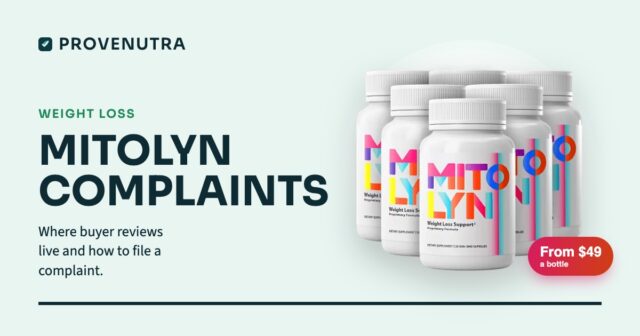
Outside the sales page, Mitolyn reviews are few and mostly negative: a 1.4 TrustScore from 42 reviews and an F on two…
The official Mitolyn website is mitolyn.com, where ClickBank processes the payment and every refund. Prices there were $79 for one bottle, $177…
Mitolyn is a real supplement sold through ClickBank, a known online retailer, with a written 90-day refund that does not require returning…
There is no published evidence that Mitolyn works for weight loss. No trial has tested the product, its label hides every dose,…
Why read us

Meet the editor
Daniel Brooks is the Reviews Editor at ProveNutra. He reads every supplement facts panel line by line, checks each ingredient and dose against human research from the NIH Office of Dietary Supplements, NCCIH, PubMed and the Cochrane Library, and reads the refund policy and checkout terms before a review is published. Daniel is not a doctor, dietitian or pharmacist, and his reviews are not medical advice. He writes pros, cons and who a product suits, never scores.
Questions
No. We explain labels, prices, refund terms and published research so you can make a better buying decision. We are not doctors, and nothing here replaces advice from your own health care provider, especially if you take medicine or have a health condition.
Some links on our reviews are affiliate links. If you buy through one, the seller may pay us a commission. Every page that carries these links says so near the top, and a commission never changes the grade, the price math or the risks we report.
No. We do not accept free bottles, samples or payment for coverage from any supplement seller. Brands cannot pay to be reviewed, to be ranked higher or to have a review changed or removed.
A star score hides the details that matter, such as a dose far below the research, a proprietary blend or a short refund window. We show the evidence grade for each ingredient and the terms of the offer instead, so you can weigh them yourself.
No, and we do not claim to. We review what any buyer can check: the public label, the prices across bundles, the refund and subscription terms, and the published research on each ingredient. We say so on every review.
We recheck a review when the seller changes its price, label or refund terms, or when a source we cite is updated, and at least every six months. Each review shows the date it was last checked and lists its sources with the dates we read them.
Use the contact page and tell us the page, the line and the source that shows the correct fact. We check every report. If we got something wrong, we fix it and add a dated correction note at the end of the page.
We read the label, check every dose against the research and read the refund terms, then tell you what we found. No star ratings, no fake testimonials, no paid placements.
Edited by Daniel Brooks, Reviews Editor, ProveNutra
ProveNutra is general information, not medical advice. Dietary supplements are not reviewed by the FDA for safety or effectiveness before they are sold. Talk to your doctor before you start, stop or combine supplements. Some links are affiliate links: if you buy through them we may earn a commission at no extra cost to you, and it never changes what we report.